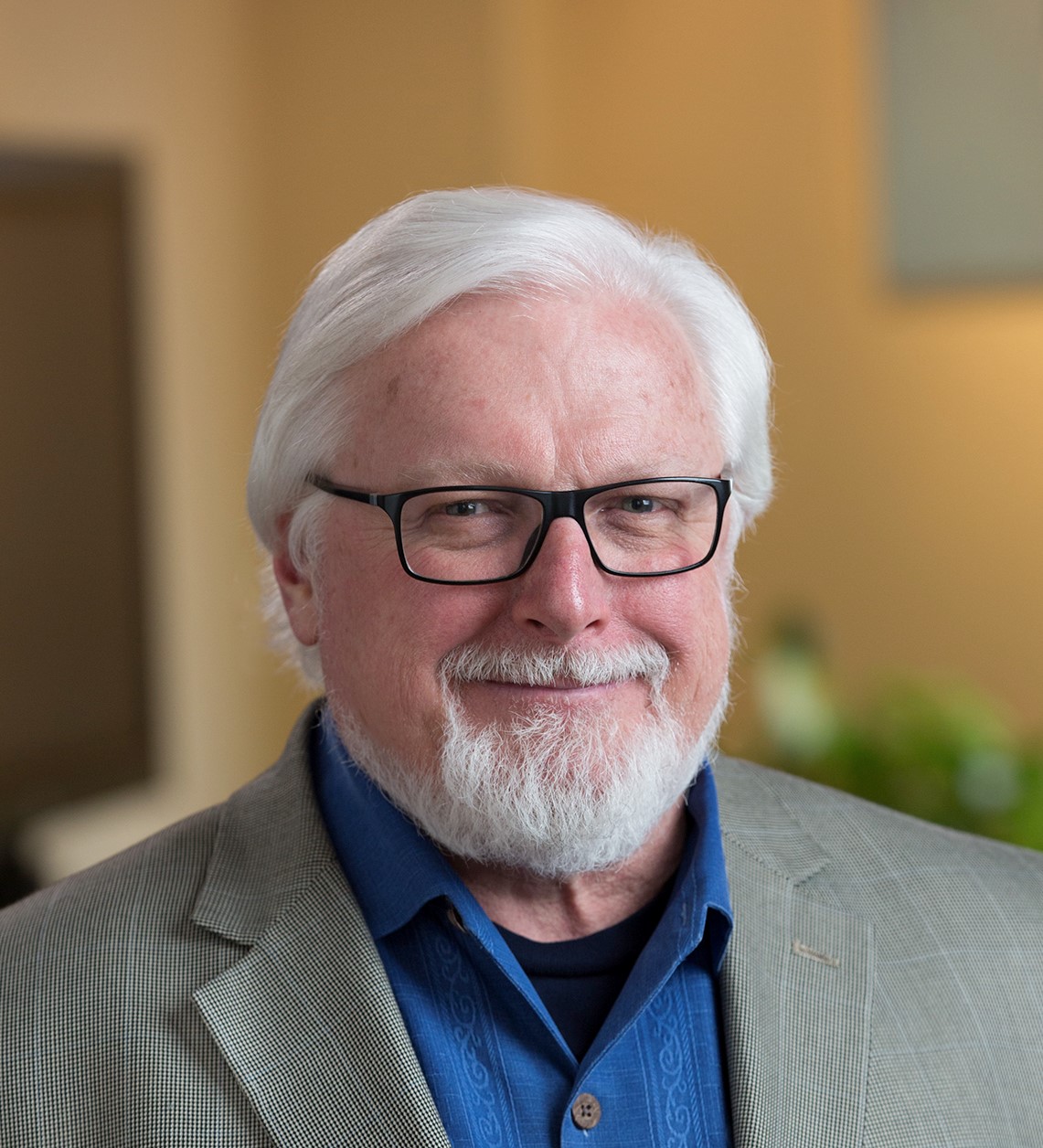
VIRTUAL-Friday, April 16, 2027, 9:00 AM-12:00 PM-Understanding, Managing, and Learning from Diverse Forms of Loss and Grief with Barent Walsh, Ph.D.
VIRTUAL-Friday, April 16, 2027, 9:00 AM-12:00 PM
VIRTUAL-Friday, April 16, 2027, 9:00 AM-12:00 PM
Understanding, Managing, and Learning from Diverse Forms of Loss and Grief
Barent Walsh, Ph.D.
This presentation addresses a universal phenomenon across the lifespan: the related topics of loss and grief. Emphasis is on the empirically informed, seminal work of O’Connor (2019) and Bonanno (2019). More specifically, Bonnano cites evidence for four types of grief trajectories:
1) Resilience – Generally about 60% of people who experience major losses recover very well within a short period of time with no need for professional intervention
2) Recovery – An additional 20-30% may experience acute grief for more extended periods of time with some impaired functioning. However, these individuals usually recover within one to two years and show no serious long-term impairment
3) Prolonged – About 10-15% show prolonged suffering and inability to function, usually lasting several years or longer. These individuals may have had a compromised level of functioning prior to the loss(es).
4) Delayed grief or trauma - When adjustment seems normal but then distress and symptoms increase months later. Researchers have not found [clear] evidence of delayed grief, but delayed trauma appears to be a genuine phenomenon.
This presentation will also focus on grief across the lifespan ranging from the context of perinatal attachment and early life loss all the way to illness, decline and death in “older adulthood” (age 85 and beyond) (McCoyd et al. 2021).
Emphasis will be placed on what to do in response to grief, including:
Ø Realizing that grief is normal, universal
Ø Seeking support from those who can give it
Ø Accepting that some are uncomfortable with grief and that’s their limitation, not yours
Ø Recognizing we’re in the helping professions; it’s okay for us to seek help. It’s a sign of strength, wisdom and belief in our own vocation.
The presentation will also discuss “Meaning-Making” in relation to losses such as:
Ø Honoring the legacy of the deceased with symbols, signs, rituals, and recognition
Ø Reviewing and replaying positive memories in detail, such as using a photo/ digital album or scrapbook. This way one can reminisce but also put aside.
Ø Communicating with/ asking for guidance from the deceased - if helpful
Ø Carrying on positive aspects of that’s person identity in your own behavior: A living tribute
This presentation will elicit, but not require, audience participation re: the shared experience of losses and related grief within a supportive and affirming context.
Following this training the participants will:
- To identify different types of losses and related grief across the lifespan including both those which are expected and unexpected.
- To explicate four types of grief trajectories per the expertise of Bonanno and others
- To elucidate different ways to manage grief including seeking support, obtaining professional help, and finding ongoing meaning in relation to the deceased