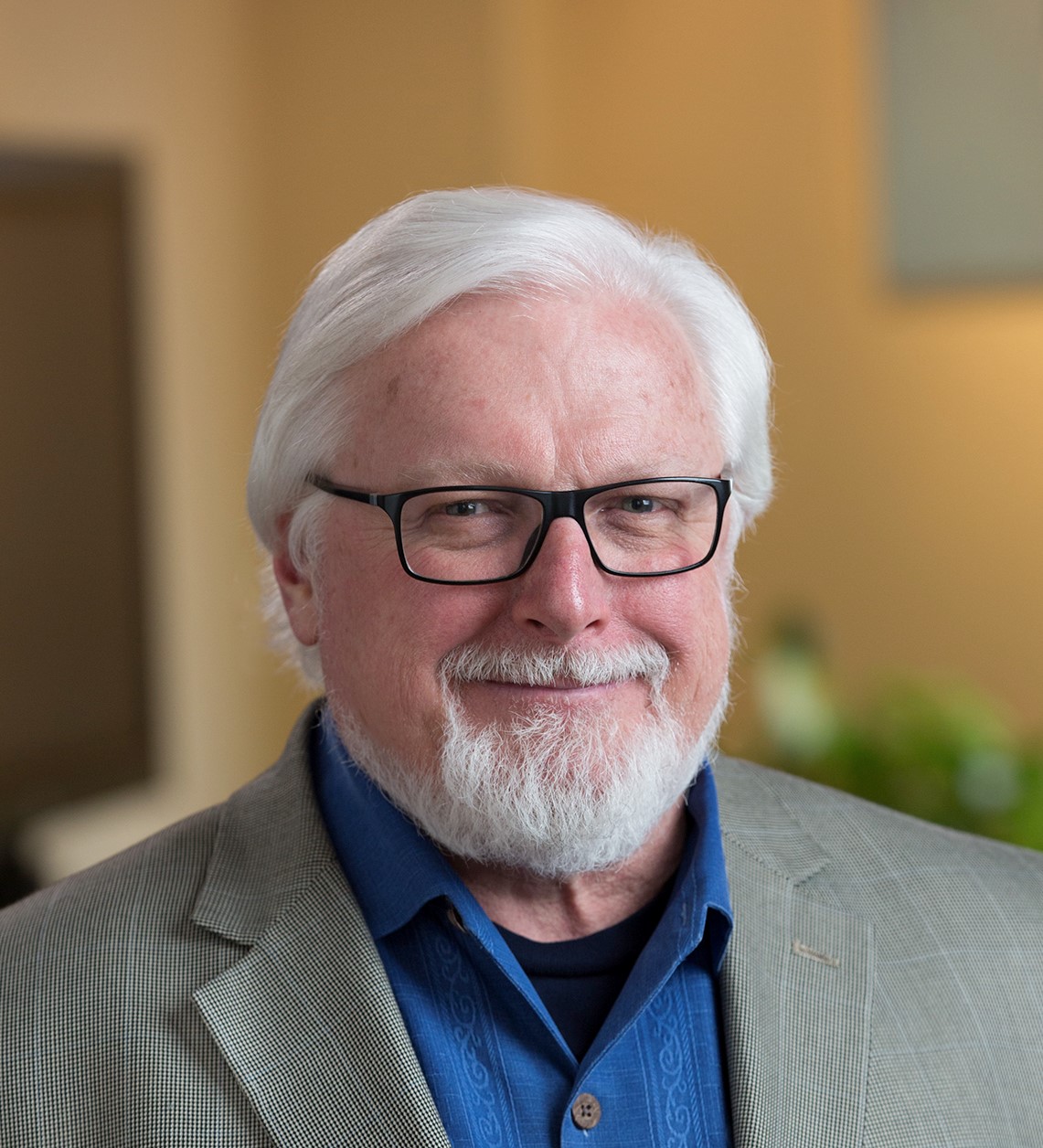
VIRTUAL-Friday, March 12, 2027, 9:00 AM-12:00 PM-The Complex Life Trajectories of Vincent van Gogh and Frida Kahlo: Lessons to be Learned within Suicidology with Barent Walsh, Ph.D.
VIRTUAL-Friday, March 12, 2027, 9:00 AM-12:00 PM
VIRTUAL-Friday, March 12, 2027, 9:00 AM-12:00 PM-$119 including CEUs
The Complex Life Trajectories of Vincent van Gogh and Frida Kahlo:
Lessons to be Learned within Suicidology
Barent Walsh, Ph.D.
Presentations on suicide prevention and treatment often take the path of reviewing statistics and then moving into evidence-based interventions. This presentation employs a different approach: It reviews the biographies of two artistic geniuses: Vincent van Gogh (1853-1890) and Frida Kahlo (1907-1954). Both were exceptionally gifted artists whose lives were complex and painful. Van Gogh was isolated since childhood, had few sustained relationships as an adult, and relied largely on his brother and his passion for painting to survive. When his relationship with his brother became a burden and his paintings declined, he chose to end his life.
Frida Kahlo endured physical challenges related to polio as a 7-year-old and a violent trolley accident when she was 18. She remained physically compromised for the remainder of her life with numerous surgeries including a late-life amputation. Adding to her physical problems was her complex painful relationship with her husband, noted muralist Diego Rivera. He had many extramarital affairs including one – most damagingly - with Frida’s beloved sister, Cristina. Frida’s health issues and marriage would have defeated many, but she had some close friends and her painting gave her a means to express profoundly her pain. She survived whereas van Gogh did not. What can be learned from these two life trajectories?
Learning Objectives:
- The suicide theory of Thomas Joiner will be used to explicate the suicide death of van Gogh and survival/ resilience of Frida Kahlo.
- This theory will be employed to discuss how we might have “saved” van Gogh (were we to be interventionists today) and what we can learn from Frida Kahlo’s immense courage and persistence.
- The audience will be asked to discuss examples from their clinical experience (anonymously) that echo the trajectories of van Gogh and/ or Kahlo.